

Sustainable use of Wildlife
The MACS Project: is a conservation and sustainable management program for vicuñas in Peru, which aims to promote the sustainable use of natural resources and improve the quality of life of local communities. This project works on the protection of vicuñas, the implementation of vicuña fiber management programs, and the generation of income for communities through fair trade of vicuña-derived products.
The MACS project includes:
- Dissemination and network formation
- Utilization systems
- Economic and socio-cultural impacts
- Environmental impacts
- Biodiversity conservation
Revealing Wildlife and closing the gap between people and Nature: Innovation and teaching
The management and conservation of vicuña in different communal areas, as well as the well-being of guanacos managed in captivity is a key factor for to maintain the population numbers of South American camelids.
In the following manual, the analysis of the results of the implementation of programs for the conservation and management of the vicuña is addressed, highlighting the participation of peasant communities in the submission of required requests and documentation, although different degrees of compliance and problems such as the lack of delivery of legal personalities of management areas are identified.
On the other hand, animal welfare in guanacos managed in captivity is also addressed, with an emphasis on the adequacy of management procedures and the physiological and behavioral response of the animals to these handling. It is mentioned that adaptation to captivity can be difficult for some animals, which could influence their survival and well-being.
The multi-sectoral strategy for the conservation of South American wild camelids in the Atacama Region
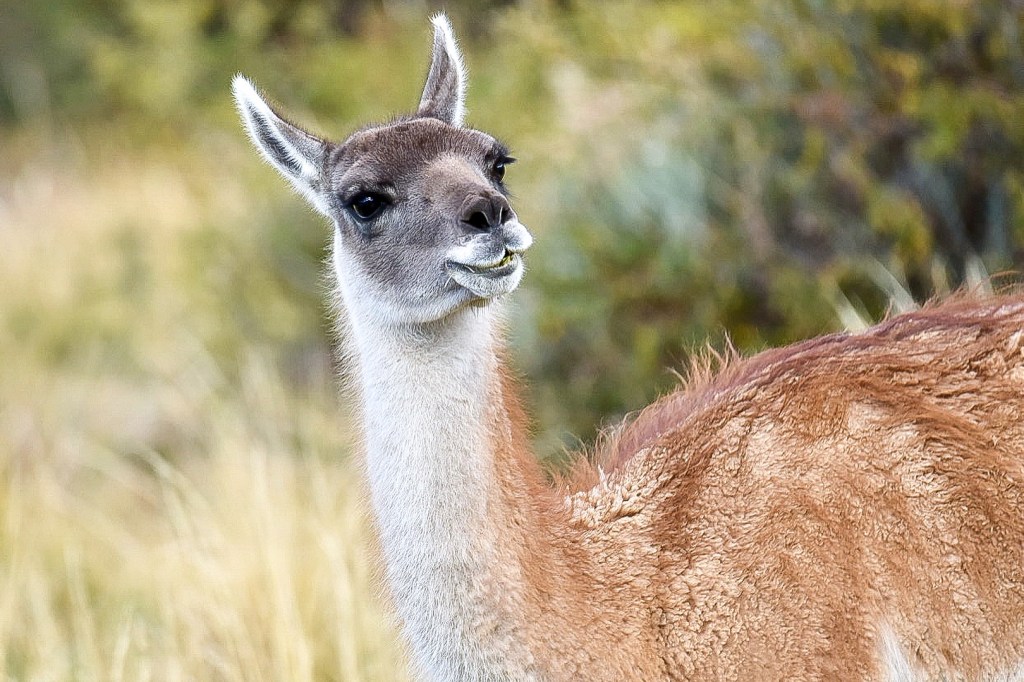
The multi-sectoral strategy for the conservation of South American wild camelids in the Atacama Region is based on four key guidelines derived from the “Population Study of Wild Camelids” conducted by The Pontificia Universidad Católica de Chile and the Corporation for Competitiveness and Innovation of the Atacama Region. These guidelines aim to address the various challenges facing these populations in the region.
The strategy includes dimensions focusing on political institutional aspects, cultural and tourism participation, biodiversity conservation, and identification of priority conservation areas for wild camelids in the region. These dimensions seek to establish institutional mechanisms for conservation, engage local communities in the valorization of species, reduce threats within and outside protected areas, and prioritize conservation activities in high-risk zones.
Contributions for the book: The Vicuña
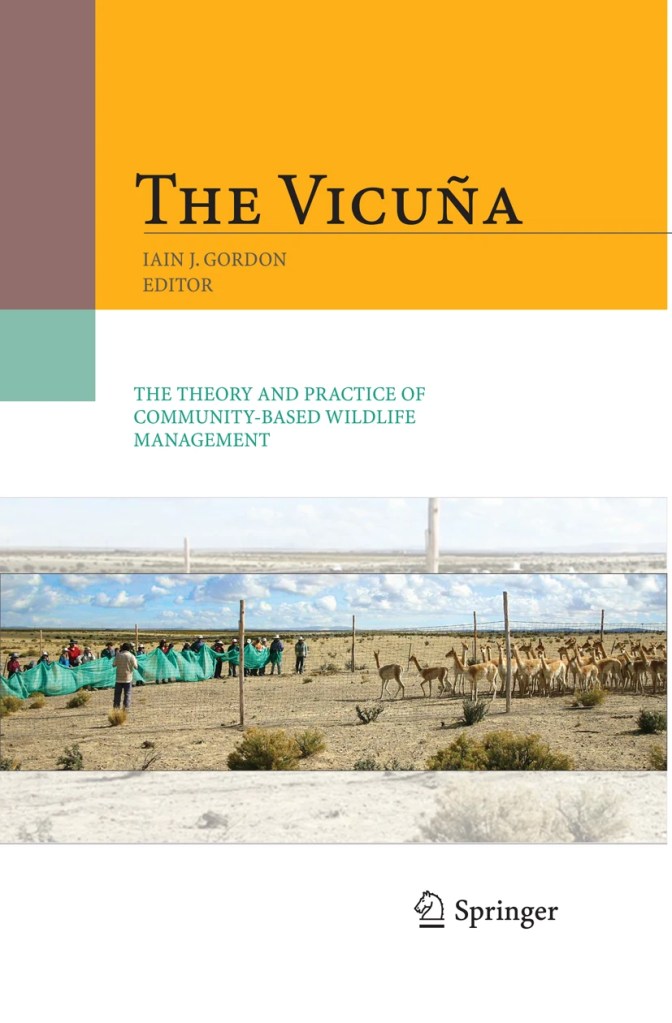
The Convention for the Conservation of the Vicuña was established to halt the species’ rapid decline towards extinction. The scientific and philosophical approaches to wildlife conservation at that time were vastly different from today’s methodologies. Remarkably, the rescue plan developed then demonstrated forward-thinking principles that align with modern conservation strategies.
Written by Ian J.Gordon with the contribuition of professor Cristian Bonacic, as well as other authors, The Vicuñas has an approach to biodiversity conservation closely linked to broader concepts such as community-based conservation and sustainable use, reflecting an enduring commitment to both ecological and socio-economic goals.
Projects
| 1996 | Galaz, J., y Bonacic, C. 1996. Manejo técnico de la fibra. Aprovechamiento de la fibra de vicuña en los Andes de Argentina, Bolivia, Chile y Perú. Corporación Norte Grande y CONAF. Arica, Chile. |
| 1998 | Galaz, J., y Bonacic, C. 1998. Informe Final Proyecto: Plan piloto de aprovechamiento de la fibra de vicuña, en el altiplano de la Provincia de Parinacota, análisis de restricciones y condiciones de desarrollo del sistema de manejo. Corporación Norte Grande. Arica. Chile. 24-34. |
| 2000 | González B, Zapata B, Bonacic C and Bas F. 2000. Técnicas para el manejo del guanaco en cautiverio. En: González B, Bas F, Tala Ch and Iriarte A (eds.). Manejo Sustentable de la Vicuña y el Guanaco. Servicio Agrícola y Ganadero. Pontificia Universidad Católica de Chile. Fundación para la Innovación Agraria. Santiago, Chile. pp. 143-163. |
| 2001 | Bonacic, C., Gimpel, J., 2001. The response to productive management in the wild vicuña and its animal well-being consequences. In International Symposium in Animal production and the environment and XXVI Meeting of the Society for Animal Production, ed. F. Garcia and P. Cretton, pp 67-76. |
| 2005 | Wawrzyk A, Vilá B, Arzamendia Y, Yacobaccio H, Lamas H, Borgnia M, Bonacic C and Laker J. 2005. Management plan, captures, and local community involvement of vicuñas in Argentina. In: 19th Annual Meeting of the Society for Conservation Biology. Book of abstracts. Universidade de Brasília, Brasília DF. Brazil. pp. 223. |
 Fauna Australis