

Free – roaming dogs
¿Are pet animals supposed to live among biodiversity?
Dogs have historically been man’s best friends, but their impact on biodiversity has begun to gain significant relevance. Our laboratory has contributed to research on this topic, always advocating for animal welfare and responsible pet ownership throughout Chile
Contributions about dogs as invasive species
- The effect of feral dogs in Chile. Policy paper. Center for Public Policy (2014)
- Assessing the impact of free-ranging dogs (Canis familiaris): the occurrence of feralization and its implications to livestock & wildlife. Chilean Science Fund. FONDECYT REGULAR 2012.
- Wild carnivores and the effect of feral dogs on the La Campana-Peñuelas National Park.
- The effect of feral dogs on biodiversity in the Andes of central Chile.
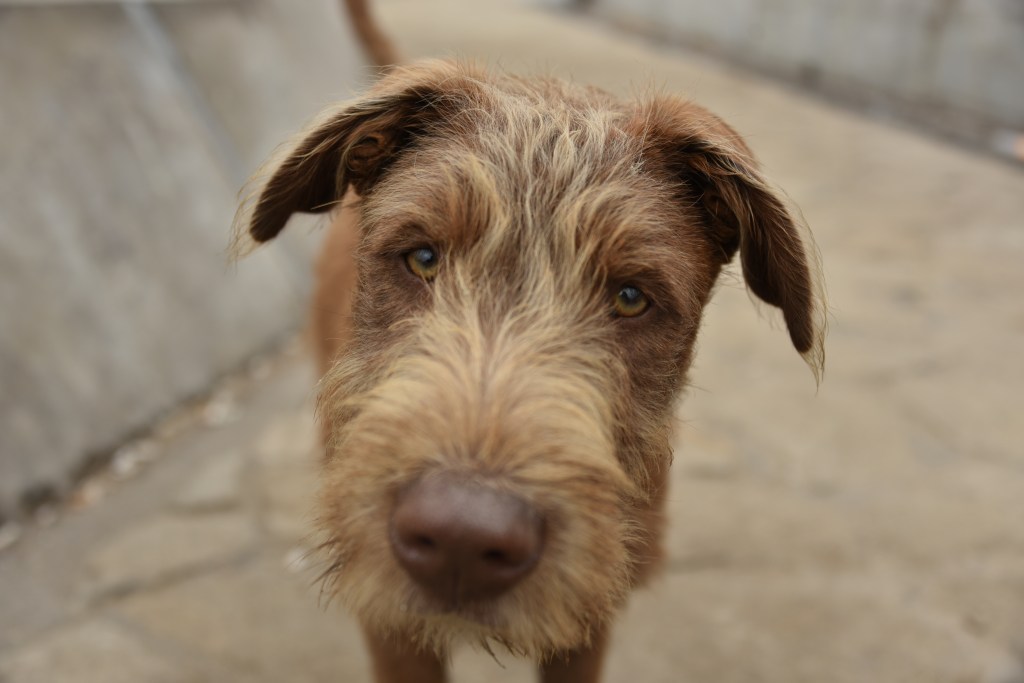
Unrestricted domestic dogs have a significant impact on biodiversity and are vectors of diseases for native wildlife and people. Additionally, socio-ecological conflicts related to carnivores and livestock are common in southern Chile. Professor Cristian Bonacic and the members of the Fauna Australis Laboratory have dedicated a significant part of their work studying domestic dogs in the wild.
Cristian Bonacic on Netflix
Academic Cristián Bonacic is one of the researchers featured in the series “The 72 Most Dangerous Animals of Latin America,” produced by NatGeo and available on Netflix. In the series, Professor Bonacic explains the importance of regulating stray dog laws in Chile, considering their effects on Chilean wildlife.

Series N°65: Towards a Policy and Legislation for the Control of Canid Populations and Quality of Life: A Multidisciplinary Approach
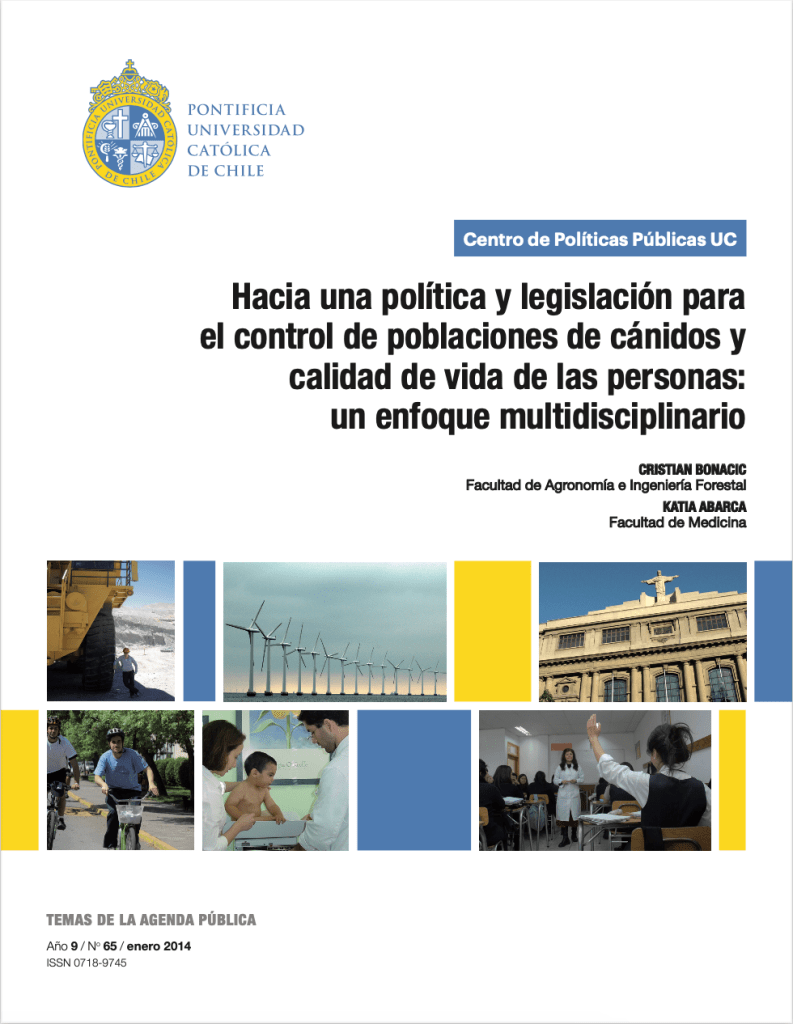
The following article examines the public issues caused by stray dogs, including their impact on human rights, public health, and environmental protection.
It provides an overview of the problem, an analysis of international standards, current legislation in Chile, and proposals to address the situation.
Wildlife conservation for Private companies
Dogs as a threat for native species
“Amenazas para la conservación de Carnívoros silvestres y Guanacos en RN Lago Peñuelas” is a guide for conservation puposes designed for one of the biggest mining companies in Chile.
 Fauna Australis