

School of Agriculture and Natural Systems
Department of Ecosystems and The Environment
Undergraduate Courses
- Animal Ecology.
- Fauna and Protected Areas.
- Conservation Science.
Graduate Courses
- Latin American Conservation.
- Research for Wildlife Management.
- Field Course about Wildlife Management Techniques.
Online Courses
- Animal Ecology and Conservation.
- Fauna Australis Wildlife Ecology and Management Diploma (in preparation).
Innovation in Teaching
Director of the MSc wildlife scientific expeditions in Tierra del Fuego (1), Araucania (3)
Bonacic, C y Estades C (1995). Introduction to Forestry Sciences. Handbook.
Founder of Fauna Australis Wildlife Research Laboratory (2001). This laboratory receives students from Geography, Biology, Agronomy, and Forest Engineering, volunteers, and thesis students from other universities.
Live Andes: software for the study of Chilean wildlife. Registered in Intellectual Property DIBAM (2013). Project in collaboration with Faculty of Engineering PUC.
Establishment of experimental herd and training in the management of guanacos in Pirque (1995 up to 2014).
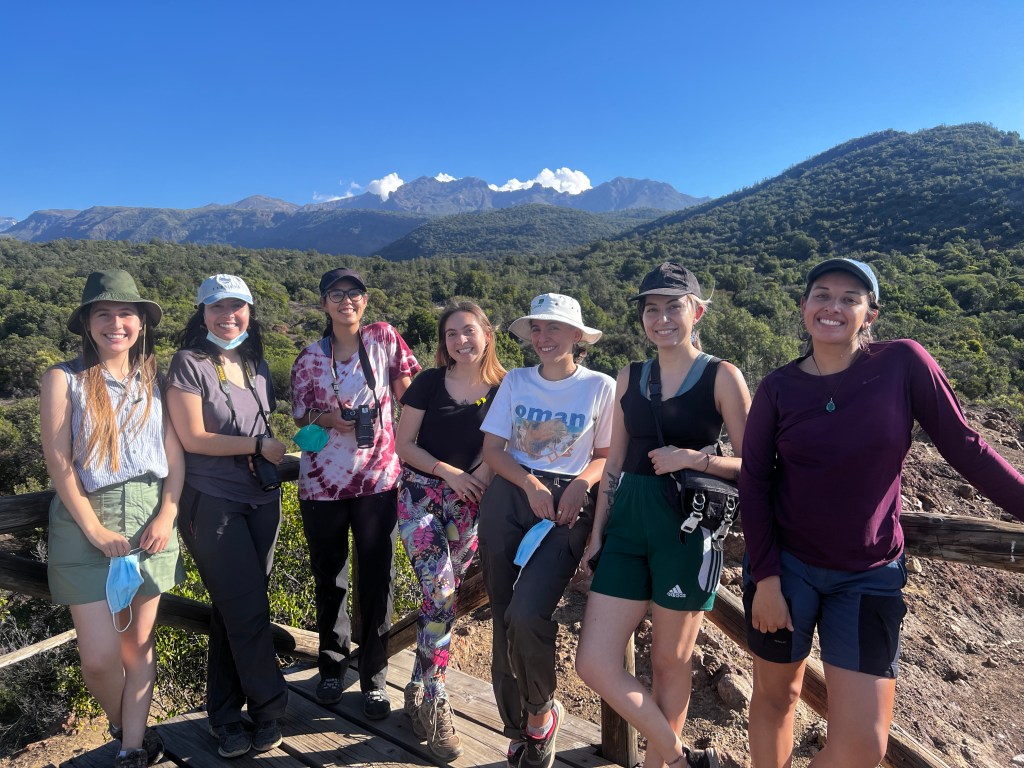
Field courses for forest ecology and wildlife conservation. University of California (2018, 2019, 2022)
Field course for forest ecology. University of British Columbia (2023).
Undergraduate
Since the inception of the Fauna Australis Laboratory, we have been offering various undergraduate courses such as Agricultural Ecology or sections in courses for Agronomy and Forestry Engineering programs related to Animal Physiology, Ecological Restoration, Fundamentals of Animal Production, and Animal Welfare. The first Wildlife course began in 2001 at the Faculty of Agronomy and Forestry Engineering. Subsequently, we created the Biodiversity Conservation course and the Wildlife Management and Protected Areas course. Over the years, we have developed specific modules on various applied topics, and the Wildlife course evolved into a Wildlife Management course.
Currently, we offer the Fauna and Wildlife Management course because students from various disciplines are particularly interested in native wildlife.
The objectives of teaching wildlife and wildlife management aim to ensure that future professionals in Agronomy and Forestry Engineering can recognize species, identify their roles, and understand their distribution in different terrestrial ecosystems. They should also be able to implement management actions for conservation, use, or control when necessary.
By integrating wildlife into the context of protected areas, we connect biodiversity with the territory and the interaction that exists between agricultural, forestry, and natural systems.
Students taking the Fauna and Wildlife Management course must have completed prerequisites in ecology and biological conservation. Students from Biology, College, and Geography programs are also accepted into this minor course within the Forestry Engineering program if they meet at least the ecology prerequisite. Each semester, we receive exchange students from France and the USA.
Undergraduate courses taught by Professor Cristián Bonacic and his team of researchers to UC students (varies each year):
- Wildlife Biology
- Ecology
- Biodiversity Conservation
- Wildlife Management (virtual class on the discipline)

Postgraduate Program in Agronomy and Forestry UC
Wildlife Management And Protected Areas
Postgraduate Competencies
- The student will be able to explain, critically assess, argue, and disseminate the areas of action in wildlife management.
- The student will be able to formulate a proposal to address specific conservation, sustainable management, and species control issues in Chile.
- The student will be able to explore new tools for studying, simulating, and analyzing wildlife management and utilize data obtained from wildlife studies.
- The student will be able to differentiate appropriate methods, equipment, procedures, and standards for implementing scientific research to address discipline-specific questions.
Objectives
- Develop critical thinking and analytical skills for conservation and management of wildlife species and their environments.
- Train students in the design, methodologies, and execution of studies and the implementation of wildlife conservation and management programs.
- Recognize, characterize, and propose solutions for the various challenges and issues in protected areas in Chile.
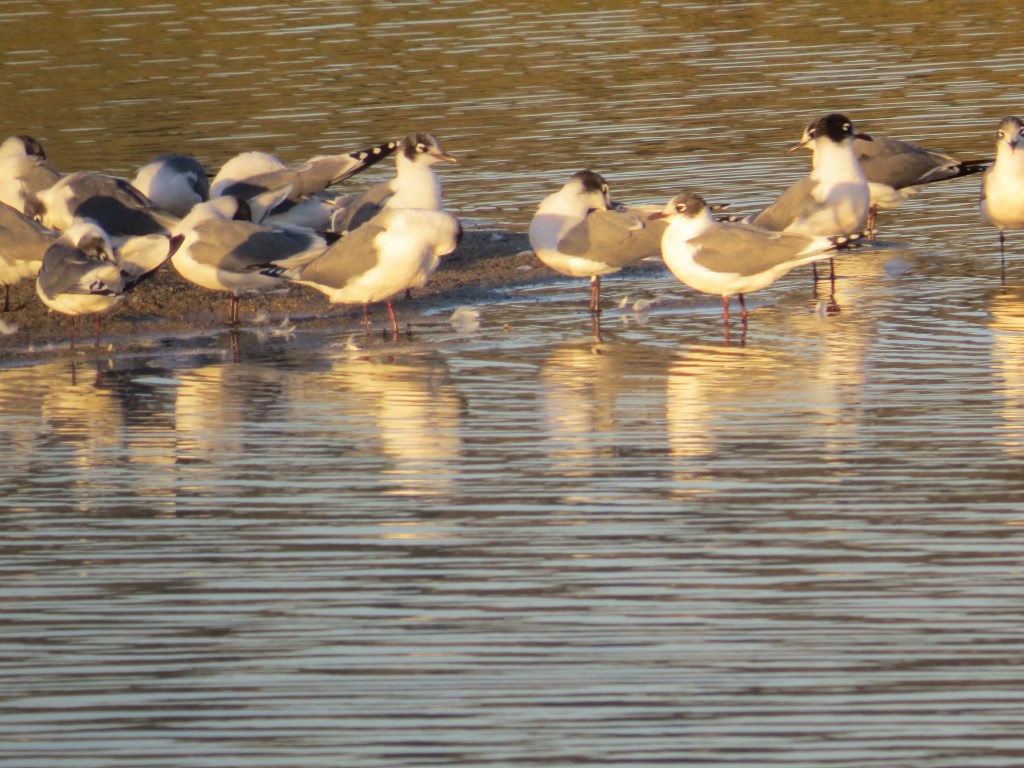
Master’s in Natural Resources
The Master’s in Natural Resources program aims to provide students with the scientific and technical fundamentals necessary to design, evaluate, and manage projects and policies related to the management and conservation of natural resources. It also focuses on assessing the impact of productive activities on the environment and generating creative and efficient solutions for environmentally sustainable projects. The program offers multidisciplinary training suitable for pursuing a doctoral program or directly entering jobs related to the management and administration of natural resources.
Among various areas of specialization, Master’s students can specialize in Wildlife Conservation and Management, which focuses on researching and managing the conservation of flora, fauna, and protected areas in the territory.
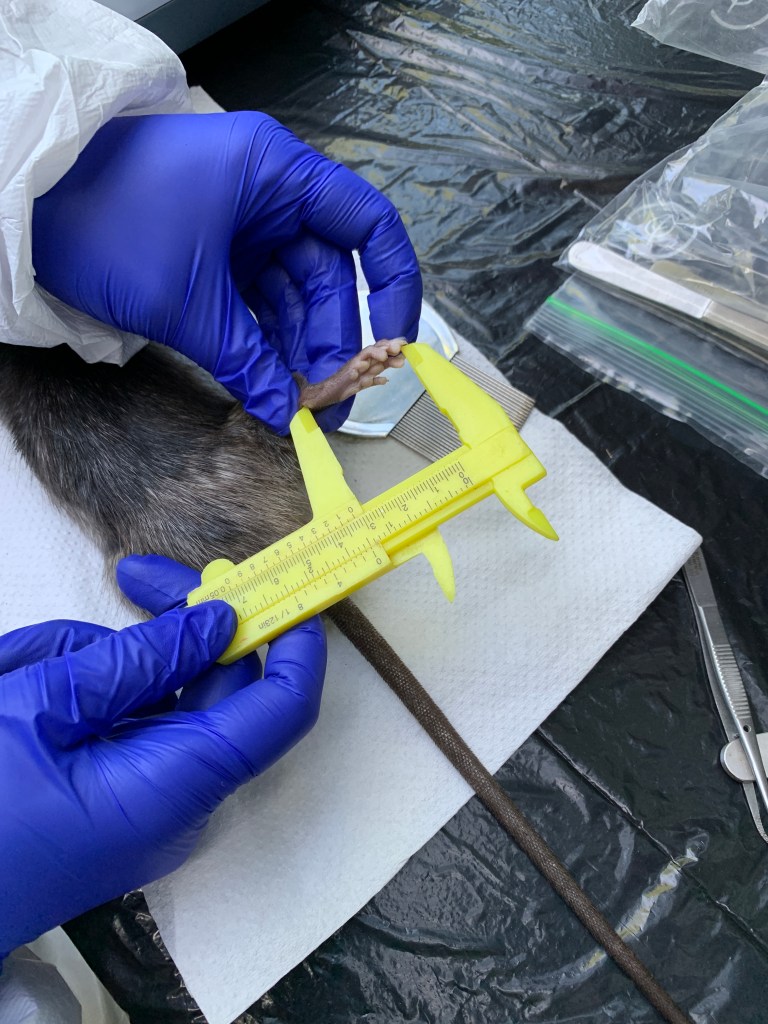
Ph.D. in Agricultural Sciences and Nature
The specialization in Natural Resource Management and Conservation falls under the “Economy and Environment” research area of the Ph.D. in Agricultural Sciences program. This specialization applies knowledge of environmental restoration, global change, ecosystem management, and biological conservation.
The Ph.D. program aims to train scientists capable of responding to the demand for research and scientific innovation in areas that collectively support agriculture, human-environment interactions, and contribute significantly to overall human well-being. The two possible research areas are Agricultural Production Systems and Economy and Environment.
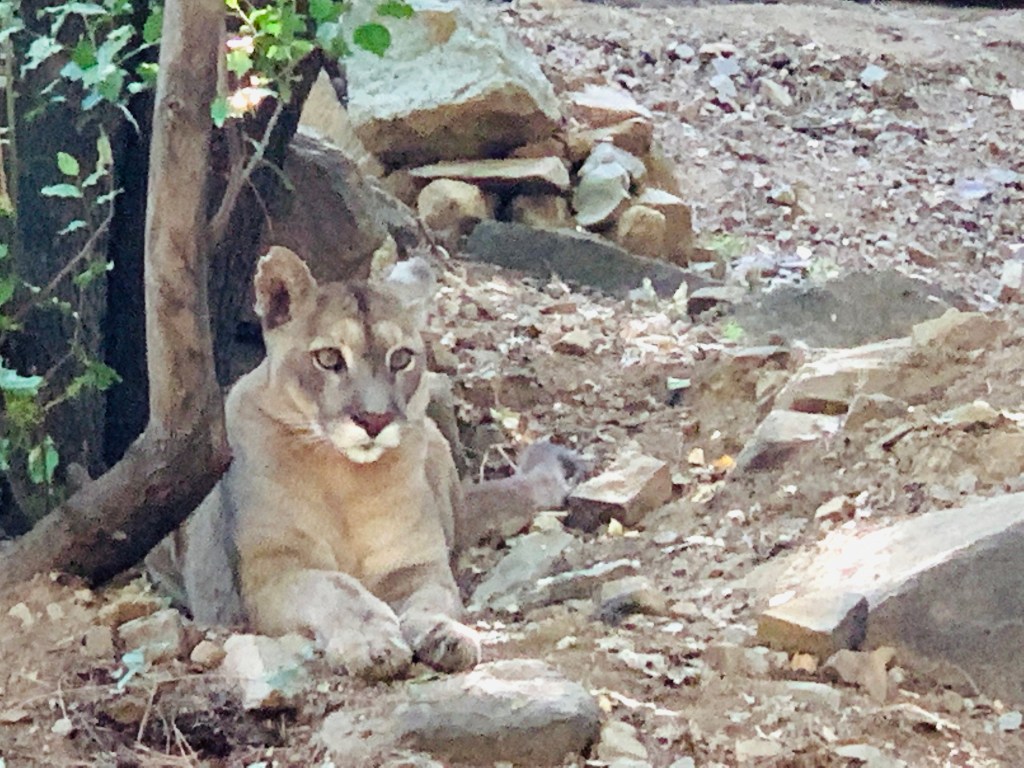
Postdoctoral Research
The laboratory has hosted the following postdoctoral researchers:
Our laboratory sponsors Chilean and foreign applicants to join us in the following research areas:
- Impact of feral domestic animals on native wildlife.
- Invasive species and their control.
- Stress and animal welfare of wild South American camelids.
- Conflict between pumas and livestock.
- Ecology and conservation of vicuñas and guanacos.
- Diseases and climate change affecting native mammals in Chile.
- Ecology of urban birds and citizen science.
- Birds of temperate forests and their relationship with anthropogenic activities and climate change.
- Human-animal relationships and the conflict between conservation and animal rights.
- Local and global trade and use of wildlife.
 Fauna Australis